Historic Home Renovation in Salt Lake City: Complete Guide (2026)
May 13, 2026
In plain English
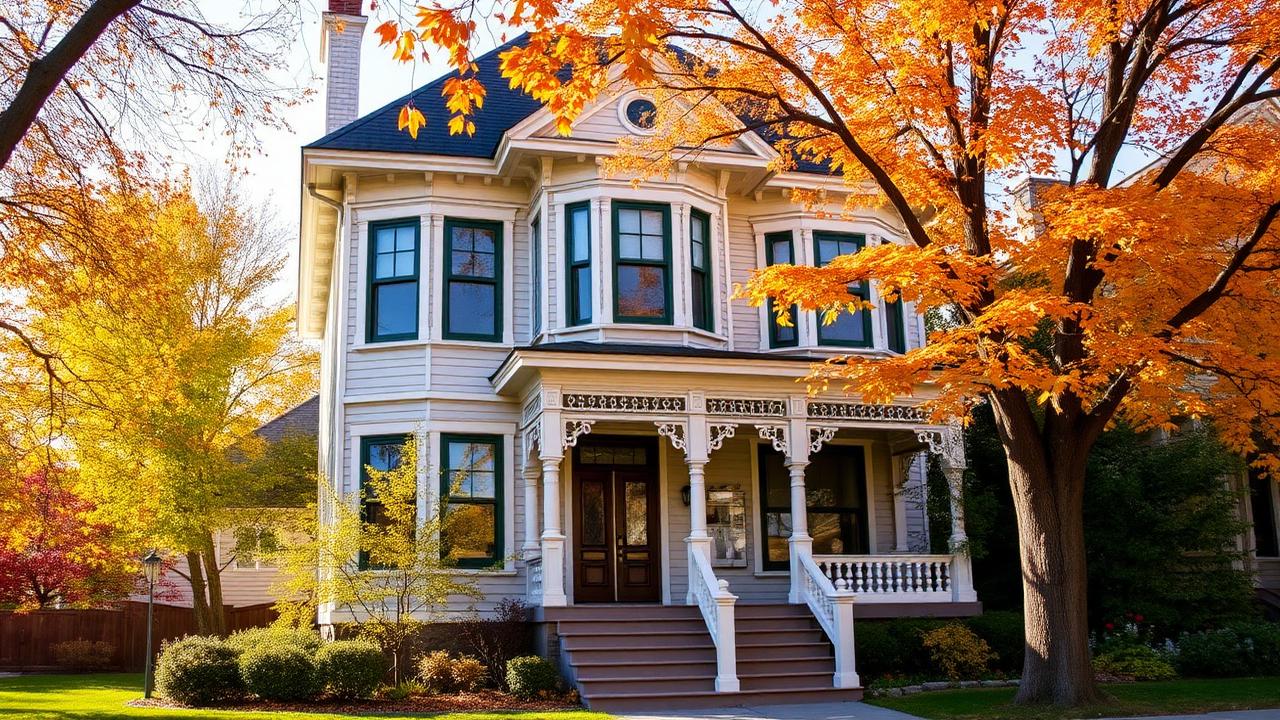
Renovating a historic home in Salt Lake City — Avenues, Sugar House, 9th & 9th, Capitol Hill, Yalecrest — means balancing character with modern living. Done right, you get a one-of-a-kind home. Done wrong, you destroy what makes it special and pay 30% more in surprises.
Realistic cost ranges
| Scope | $/sq ft | Notes |
|---|---|---|
| Cosmetic refresh | $120 – $200 | Paint, refinishing, light updates |
| Kitchen + 1 bath | $250 – $400 | Single-room renovations |
| Whole-home update | $300 – $500 | Multiple rooms, mechanicals |
| Full restoration | $400 – $750+ | Down to studs, period-correct |
Old-home reality: add 15–25% contingency beyond what you'd carry for new construction. You'll find things you can't predict: knob-and-tube wiring, lead pipes, asbestos tile, settled foundations.
Common surprises in Salt Lake historic homes
| Surprise | Typical cost to fix |
|---|---|
| Knob-and-tube wiring (full rewire) | $12k – $30k |
| Galvanized water pipes | $8k – $20k |
| Cast-iron drain lines (failing) | $6k – $25k |
| Asbestos floor tile abatement | $3k – $12k |
| Asbestos pipe insulation | $2k – $8k |
| Lead paint mitigation | $4k – $20k |
| Foundation cracks/settling | $8k – $40k+ |
| Single-pane windows | $1.2k – $3k each |
| No insulation in walls | $4k – $12k |
| Outdated panel (60A or 100A) | $3k – $6k |
| Failing chimney | $5k – $25k |
Salt Lake's historic districts
| District | Designation | Review required for |
|---|---|---|
| Avenues | National + Local | Exterior changes, additions, demolition |
| Capitol Hill | National + Local | Same |
| University | Local | Same |
| Central City | Local (parts) | Varies by sub-area |
| South Temple | Local | Strict for any street-facing changes |
| Westside | National | Federal review for tax credit projects |
Inside vs. outside: historic district rules typically govern exterior changes only. Interior renovations (kitchens, baths, layouts) are not regulated.
What you can usually do
✅ Allowed (with permits):
- Interior remodels (kitchens, baths, layouts)
- Mechanical upgrades (electrical, plumbing, HVAC)
- Roof replacement (matching materials)
- Window restoration or in-kind replacement
- Paint colors (within historic palette in some districts)
- Energy upgrades (insulation, attic sealing)
❌ Restricted or prohibited:
- Demolishing original facades
- Adding stories visible from street
- Vinyl siding over wood
- Replacing original wood windows with vinyl
- Removing original architectural details (cornices, brackets, trim)
What to preserve (and why)
| Element | Why preserve |
|---|---|
| Original wood trim & built-ins | Irreplaceable; modern reproductions cost more than restoration |
| Original wood floors | Refinishing is cheaper than replacing AND adds value |
| Original wood windows | Properly restored windows can outperform new vinyl |
| Plaster walls | Better acoustics, character; repair beats replacing with drywall |
| Stained glass | Major value driver; restore, don't remove |
| Original doors & hardware | Distinctive; modern doors look out of place |
Cost to restore vs. replace
| Element | Restore | Replace |
|---|---|---|
| Wood window | $400 – $900 | $800 – $2,500 (vinyl) |
| Wood floor | $4 – $9/sq ft | $12 – $25/sq ft |
| Plaster wall | $6 – $14/sq ft | $4 – $9/sq ft (drywall) |
| Original door | $200 – $600 | $400 – $1,500 |
| Wood siding | $8 – $18/sq ft | $7 – $15/sq ft |
Modernizing without ruining character
Smart upgrades
- Mini-split HVAC — high efficiency, no big ductwork
- Spray foam in attic — huge energy gain, invisible
- Storm windows — preserve wood windows + better than vinyl
- Kitchen + bath modernization — these rooms can be fully modern; the rest of the home keeps character
- Hidden tech wiring — fish behind plaster, not surface-mount
Avoid
- Removing original trim to "open up"
- Replacing wood with vinyl anywhere visible
- Modern light fixtures in formal rooms
- Stark white paint everywhere
Tax credits & incentives
| Program | What it covers |
|---|---|
| Federal Historic Preservation Tax Credit | 20% of qualified rehab costs (income-producing properties) |
| Utah State Historic Preservation Office | Technical guidance, advocacy |
| Salt Lake City local incentives | Vary; check current programs |
For homeowners: federal credit applies to income-producing properties. Owner-occupied homes don't qualify, but Utah has emerging incentives.
Picking the right contractor
✅ Must-haves:
- 5+ historic home projects in Salt Lake
- Familiar with the Avenues, Capitol Hill, etc. review process
- Has working relationships with plaster, wood window, slate roof specialists
- Understands "in-kind" replacement requirements
- Will pull historic-appropriate permits
❌ Red flags:
- Suggests vinyl siding "to save money"
- Wants to remove plaster everywhere
- Hasn't worked in your district
- Ignores the historic review process
FAQ
How long does a full historic renovation take?
8–18 months for whole-home work, including 3–4 months for design and historic review.
Can I add a second story?
Sometimes — depends on district rules and how visible from the street. Often allowed if set back from the main facade.
Are storm windows enough or do I need new windows?
Properly restored wood windows + good storms typically outperform new vinyl in both performance AND character. Restore first.
What if I find lead paint or asbestos?
Common in pre-1978 homes. Use a certified abatement contractor. Budget $5k–$30k depending on extent.
Ready to renovate your historic home?
Schedule a historic home consultation with Alpha Wolf →
We respect what makes your home special — and we know how to upgrade what's hidden behind the walls.